Why Are Future Trends in Stone Industry Important?

Time:2026-10-08 Author:Charlotte
0%

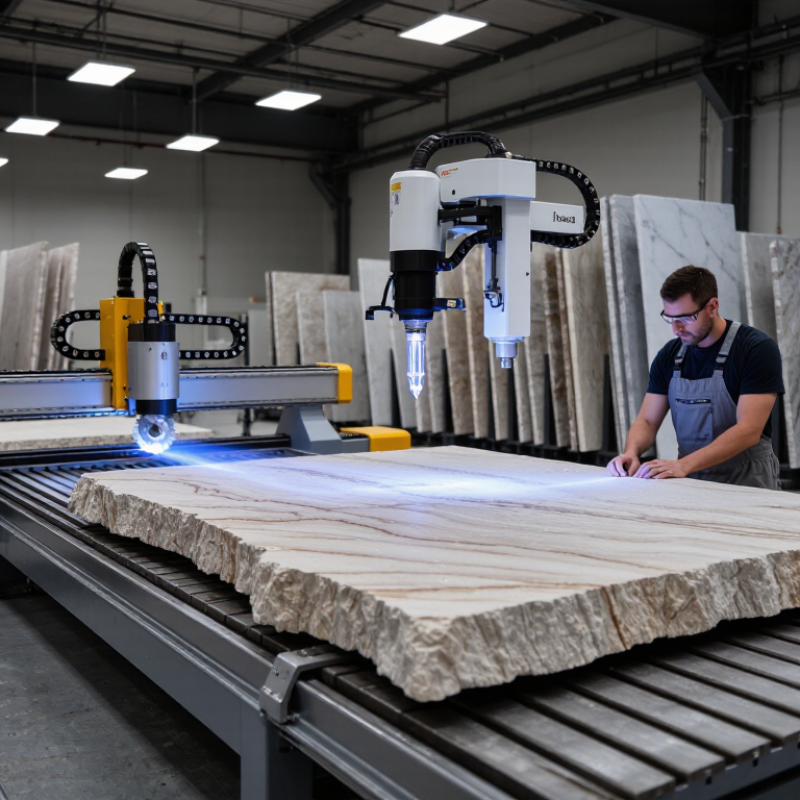
Future Trends In Stone Industry are reshaping how designers, builders, and suppliers understand natural stone. The change is visible in busy fabrication workshops, where digital scanners capture uneven surfaces before cutting begins. Computer-controlled machines can reduce waste, yet skilled workers still judge the final edge by hand. That balance matters. Technology alone cannot understand every vein, pore, or fragile corner.

Jason Kamery, a technical expert associated with the Natural Stone Institute, has observed, “Natural stone is not a manufactured product; variation is part of its character.” This principle explains why future trends focus on traceability, responsible sourcing, low-waste fabrication, and longer service life. Buyers increasingly want clear information about quarry location, transportation, finishing methods, and maintenance needs. They also expect stones to support healthier, more durable interiors. Beautiful surfaces are no longer enough.

The industry is still learning.

Digital design can improve precision, but it may also encourage excessive standardization. Recycled stone products can reduce pressure on quarries, although their environmental benefits require careful measurement. Automated production may improve safety, yet experienced craftspeople remain essential for complex installations. These tensions make the Future Trends In Stone Industry important for practical reasons, not just commercial appeal. The decisions made today will influence material quality, project transparency, and the identity of built spaces tomorrow. Some predictions will fail. That is acceptable, if the industry keeps testing claims against real projects, measurable data, and the stone itself.

Why Are Future Trends in Stone Industry Important?

What Future Trends Mean for the Stone Industry

Future trends in the stone industry will change how materials are selected, processed, and installed. Digital surveying can measure a room before cutting begins, reducing visible errors and wasted slabs. Automated cutting may improve consistency, but skilled workers still make important judgments around veins, edges, and fragile corners. Technology helps. It does not replace experience.

Sustainability will become a purchasing requirement, not merely a marketing phrase. Buyers may ask where stone was quarried, how far it traveled, and how much water processing required. Reclaimed stone, efficient cutting plans, and longer product lifespans can reduce environmental pressure. However, sustainability claims need reliable records. A polished certificate cannot correct poor sourcing. Industry professionals should verify documentation and explain limitations clearly.

Design trends may also favor thinner surfaces, textured finishes, and flexible modular pieces. These choices can reduce material use, yet they may create new installation risks. Thin stone needs accurate support and careful transport. More digital tools could improve planning, although smaller workshops may struggle with investment costs and training. This gap deserves attention. Future progress should include practical education, transparent standards, and safer working methods, not only faster machinery. Real projects will reveal which promises survive daily dust, tight schedules, and unexpected site conditions.

Why Are Future Trends in Stone Industry Important? - What Future Trends Mean for the Stone Industry

Evidence-based outlook on the major forces shaping natural stone demand, production, and competitiveness

Future Trend Verified Market or Industry Evidence What It Means for the Stone Industry Business Opportunity Expected Timing Relevant Indicator
Sustainability and Lower-Carbon Materials The building sector remains responsible for approximately 37% of global energy- and process-related carbon dioxide emissions, according to the United Nations Environment Programme's 2023 buildings report. Buyers, architects, and regulators are likely to request clearer information about extraction, processing, transport, water use, waste, and service life. Develop environmental product declarations, life-cycle data, local sourcing options, and documented waste-reduction programs. Already active; stronger requirements expected through 2030. Product carbon footprint; recycled or reused material share; water consumption per square metre; processing waste rate.
Urbanization and Infrastructure Growth The United Nations projects that about 68% of the world's population could live in urban areas by 2050. Long-term demand should remain connected to residential construction, public spaces, transport facilities, hospitality, and urban renewal. Supply durable paving, façades, stairs, landscaping products, and standardized systems for large projects. Long term: 2026–2050. Urban population growth; infrastructure investment; renovation and public-realm project volume.
Renovation, Restoration, and Adaptive Reuse In many mature construction markets, existing buildings represent a major share of the building stock, while energy-efficiency policies increasingly encourage renovation instead of demolition. Demand will increasingly include repair, matching, replacement, conservation, and low-disruption installation rather than only new-build applications. Create technical services for stone matching, façade repair, heritage work, refurbishment, and maintenance contracts. Growing steadily through 2030 and beyond. Renovation share of construction output; restoration project value; repeat maintenance revenue.
Digital Design, BIM, and Product Traceability Building information modeling and digital product information are increasingly used to coordinate geometry, quantities, specifications, and maintenance data in construction projects. Stone suppliers will need accurate digital catalogs, technical files, installation data, and traceable product information. Provide BIM objects, digital slab libraries, QR-based traceability, online configuration, and automated quotation tools. Rapid adoption: 2026–2030. Percentage of products with digital data; online quotation conversion; order-error rate; traceability coverage.
Automation and Precision Fabrication Computer numerical control, waterjet cutting, robotic handling, and digital measurement are established technologies that reduce dependence on manual repetition and improve dimensional consistency. Competitive advantage will shift toward precision, short lead times, complex geometry, and predictable quality. Invest in automated cutting, nesting software, digital templating, production planning, and worker training. Active now; expanding as labor and quality pressures increase. Cutting accuracy; material yield; rework rate; production hours per square metre; on-time delivery.
Circularity, Reuse, and By-Product Utilization Construction, renovation, and demolition activities generate very large volumes of waste globally, making material recovery and reuse important parts of circular-economy policy. Offcuts, slabs, reclaimed blocks, and demolition stone can become saleable inputs instead of disposal costs. Develop remanufactured products, smaller-format collections, aggregate applications, take-back systems, and reuse marketplaces. Increasing relevance through 2030. Diversion from landfill; recovered material volume; offcut utilization rate; revenue from secondary products.
Water, Dust, and Worker-Safety Controls Stone processing can generate respirable crystalline silica dust. Occupational-health authorities identify exposure control, wet processing, ventilation, monitoring, and respiratory protection as essential safeguards. Compliance, worker protection, and responsible water management will become stronger requirements for quarries and processing facilities. Use closed-loop water systems, dust suppression, filtration, exposure monitoring, and documented safety training. Immediate and continuous priority. Water recirculation rate; airborne dust measurements; recordable incident rate; training completion rate.
Climate-Resilient and Long-Life Design The World Meteorological Organization reports that 2023 was the warmest year on record at the time of publication, highlighting the need for buildings and public infrastructure to adapt to heat, moisture, and extreme weather. Performance, durability, slip resistance, thermal behavior, drainage, and maintenance requirements will influence material selection more strongly. Offer tested technical solutions for façades, paving, landscaping, public areas, and high-traffic environments. Growing priority through 2030–2050. Service-life estimates; maintenance intervals; slip resistance; freeze-thaw performance; warranty claims.
Design Personalization and Premium Natural Aesthetics Digital visualization, customized fabrication, and demand for authentic materials are expanding the range of design options available to architects, interior designers, and homeowners. Natural variation, surface finish, bookmatching, bespoke dimensions, and tactile qualities can differentiate stone from standardized alternatives. Offer curated collections, sample services, 3D visualization, custom fabrication, and design-support packages. Ongoing; especially relevant in premium residential and hospitality projects. Average order value; custom-order share; sample-to-order conversion; design-project repeat rate.
Reference basis: United Nations Environment Programme, Global Status Report for Buildings and Construction 2023; United Nations, World Urbanization Prospects; World Meteorological Organization, State of the Global Climate; and occupational-health guidance on respirable crystalline silica from international workplace-safety authorities.

Key Forces Shaping the Stone Industry’s Future

Why Are Future Trends in Stone Industry Important?

The stone industry is changing through sustainability, digital tools, and shifting customer expectations. These forces will influence how stone is quarried, processed, transported, and installed. Responsible sourcing now matters more than attractive surfaces alone. Buyers increasingly ask about quarry locations, water use, worker safety, and material durability. Clear documentation can build trust, especially when environmental claims require evidence. Natural stone also competes with engineered alternatives, so suppliers must explain performance honestly.

Technology is reshaping daily operations. Digital cutting plans can reduce offcuts in fabrication workshops. Three-dimensional scanning helps installers measure curved walls and complex staircases. Automated polishing may improve consistency, but skilled inspection remains essential. Stone still contains natural variation. A small color change can affect an entire interior design.

Supply chain pressure is another key force. Fuel costs, transport delays, and changing construction rules can influence final prices. Local sourcing may reduce delivery risks, although it is not always the most sustainable choice.

Tips: Record each project’s material origin, finish, thickness, and maintenance requirements. Compare supplier evidence instead of trusting broad promises. Test samples under real lighting before approving large orders. Leave room for natural variation. We sometimes treat trends as certain forecasts, but customer habits can change quickly. A practical business should invest gradually, review data, and keep human judgment involved. Even a well-planned process can miss an unexpected crack, delay, or design revision.

How Technology Is Transforming Stone Production

Stone production is changing from a purely mechanical process into a data-supported operation. Digital scanners can measure slabs before cutting begins. This reduces layout errors and helps operators plan around natural veins, cracks, and color shifts. Automated cutting systems also improve repeatability, especially for complex kitchen edges and thin wall panels. Yet technology does not replace judgment. Stone is unpredictable.

Modern workshops increasingly connect cutting, polishing, and quality inspection through shared production data. Sensors can monitor blade pressure, water flow, and surface temperature. When readings change suddenly, technicians may detect wear before a visible defect appears. Three-dimensional modeling also lets designers test an installation virtually. A small mistake can still happen. Software depends on accurate measurements and trained users.

Tips: Check digital measurements against the physical slab. Keep skilled operators involved. Review machine data weekly, not only after problems appear. Train workers to recognize unusual vibration, heat, or polishing marks. Technology works best when practical experience challenges its assumptions.

The next trend may be more flexible production rather than total automation. Machines can handle repeated cuts, while specialists manage unusual patterns and delicate materials. This balance can reduce waste and improve consistency. However, smaller workshops may struggle with equipment costs, maintenance, and staff training. A low-cost system that nobody understands is not truly efficient. Careful trials, clear records, and honest defect reviews make adoption more reliable.

The Role of Sustainability in Future Stone Practices

Future trends in the stone industry matter because sustainability is becoming a purchasing requirement, not a decorative preference.

The 2024 Global Status Report for Buildings and Construction states that buildings generate about 37% of global energy-related and process-related carbon emissions. Stone can support lower-impact construction, but only when extraction, processing, transport, and installation are measured together.

Quarry planning should reduce overburden, protect groundwater, and improve block recovery. Cutting workshops can reuse process water and separate stone fines for secondary applications. The U.S. Geological Survey’s Mineral Commodity Summaries 2024 reported approximately 1.7 million metric tons of U.S. dimension stone production in 2023. That volume makes waste reduction more than a technical detail. It is a resource responsibility.

Local sourcing may also reduce transport emissions, although distance alone cannot prove sustainability. Energy sources, machinery, packaging, and site conditions still matter.

Environmental Product Declarations can improve transparency by showing impacts across a stone product’s life cycle. However, data quality remains uneven, especially for smaller quarries. Some sustainability claims sound polished but lack verified boundaries. That weakness deserves criticism.

Reused slabs, reclaimed paving, and modular cutting plans can extend material life, yet designers sometimes specify new stone too quickly. Future practice should combine verified environmental data with practical quarry experience, careful maintenance, and honest discussion of limitations. Small imperfections in reporting are preferable to impressive claims without evidence.

Why Businesses and Buyers Must Adapt to Emerging Trends

Future trends in the stone industry matter because buyers now evaluate more than appearance. They question origin, durability, maintenance, and environmental impact. Grand View Research estimated the global natural stone market at approximately USD 33 billion in 2023. It also projected a 4.9% compound annual growth rate through 2030. This growth creates opportunity, but it also raises expectations.

Businesses must adapt their product decisions and evidence. The 2024 Global Status Report for Buildings and Construction reported that buildings consumed about 32% of global energy. Stone suppliers should therefore explain service life, repairability, and installation waste. A pale limestone sample may look attractive under showroom lights. On a busy floor, its porosity and cleaning needs matter more. Buyers need technical sheets, not only polished photographs.

Traceability is becoming practical, though not perfect. The European Environment Agency continues to emphasize material efficiency and circular construction practices. This encourages companies to record quarry location, processing steps, packaging, and recovered content. Digital product information can support that process. Still, many supply chains lack consistent data. That weakness deserves honest disclosure. Businesses that publish test results and limitations appear more reliable than those promising “green” performance without measurements. Buyers should ask difficult questions about replacement rates, sealants, transport distances, and end-of-life reuse before approving a stone specification.

Why Future Trends in the Stone Industry Matter

Global building floor area is projected to increase from approximately 235 billion m² in 2015 to 415 billion m² by 2060. This expansion may increase demand for durable, low-impact, and responsibly sourced stone products, while encouraging businesses and buyers to adapt to changing sustainability requirements.

Source: International Energy Agency and United Nations Environment Programme, “Global Status Report for Buildings and Construction.”

FAQS

How will digital surveying affect stone projects?

Digital surveying can measure rooms, curved walls, and staircases before cutting begins. It reduces layout errors. However, incorrect measurements still create costly problems.

Will automated cutting replace skilled stone workers?

No. Machines can repeat standard cuts, but specialists must judge veins, cracks, edges, and fragile corners. Stone remains unpredictable. Human inspection is still necessary.

Why will sustainability influence stone purchasing?

Buyers may request quarry locations, transport distances, water-use records, and worker-safety information. Longer product life can reduce environmental pressure. A polished certificate proves little without reliable records.

Can local stone always be considered more sustainable?

Not always. Local sourcing may reduce delivery risks, but extraction and processing impacts still require review. Distance is only one detail. Evidence matters more than assumptions.

How can workshops reduce material waste?

Digital cutting plans can organize slabs around veins, cracks, and color changes. Reclaimed pieces and modular designs may also reduce waste. Poor planning still leaves expensive offcuts.

What risks come with thinner stone surfaces?

Thin surfaces need accurate support, careful transport, and controlled installation. A small bend or impact can cause cracking. The lighter option is not automatically safer.

How can technology improve workshop quality control?

Sensors may monitor blade pressure, water flow, vibration, and surface temperature. Unusual readings can reveal equipment wear before defects appear. Data needs trained interpretation.

What should smaller workshops consider before buying new equipment?

They should review purchase costs, maintenance, training, and realistic production benefits. A cheap system can become inefficient when nobody understands it. Small trials are wiser than rushed upgrades.

How should buyers check stone before approving a large order?

They should compare samples under real lighting and record thickness, finish, origin, and maintenance needs. Natural variation must be expected. One sample may not show every slab’s character.

What could make future stone-industry progress more reliable?

Practical education, transparent records, safer work methods, and gradual investment can support better decisions. Unexpected cracks and delays will still happen. Plans are not perfect.

Conclusion

Future Trends In Stone Industry are reshaping how natural and engineered stone is produced, marketed, and used. These trends reflect changing customer expectations, advances in digital tools, evolving design preferences, and growing attention to resource efficiency. Automation, precision cutting, digital modeling, and improved production systems can help manufacturers reduce waste, improve quality, and complete projects more efficiently. At the same time, data-based planning and modern fabrication methods are creating new opportunities for customization and better project coordination.

Sustainability is also becoming a central part of the stone industry’s future. Businesses are exploring responsible sourcing, efficient water and energy use, recycling, and longer-lasting product designs. These practices can reduce environmental pressure while strengthening operational value. As technology, environmental awareness, and market demands continue to develop, both businesses and buyers must remain flexible. Companies that invest in innovation and responsible practices will be better prepared for future competition, while buyers will benefit from understanding how material choices, production methods, durability, and sustainability influence the overall value of stone products.

Charlotte

Charlotte

Charlotte is a seasoned marketing professional with a deep understanding of the company's portfolio and a passion for elevating its presence in the market. With a keen eye for detail and a commitment to excellence, she ensures that our professional blog is regularly updated with insightful articles......