In the world of construction and design, durability is paramount. Buyers often seek reliable information to navigate the complexities of stone selection. According to Dr. Emily Carter, a leading expert in stone durability, "Understanding the strengths and weaknesses of different stones is essential for making informed choices." This highlights the need for a comprehensive Stone Durability Comparison Guide.
Such a guide serves as an invaluable resource for global buyers. It compares various stone types based on factors like weather resistance, wear and tear, and aesthetic longevity. As the market grows, so does the importance of this information. However, not all guides are created equal; some may lack up-to-date research or expert insights. It's crucial to critically evaluate the sources and methods used in these comparisons.
Every stone tells a story of its resilience and suitability. Some may appear robust but can fail under harsh conditions. Others may shine in aesthetics yet crumble under pressure. A good Stone Durability Comparison Guide assists buyers in navigating these intricacies, ensuring that their investments endure over time.
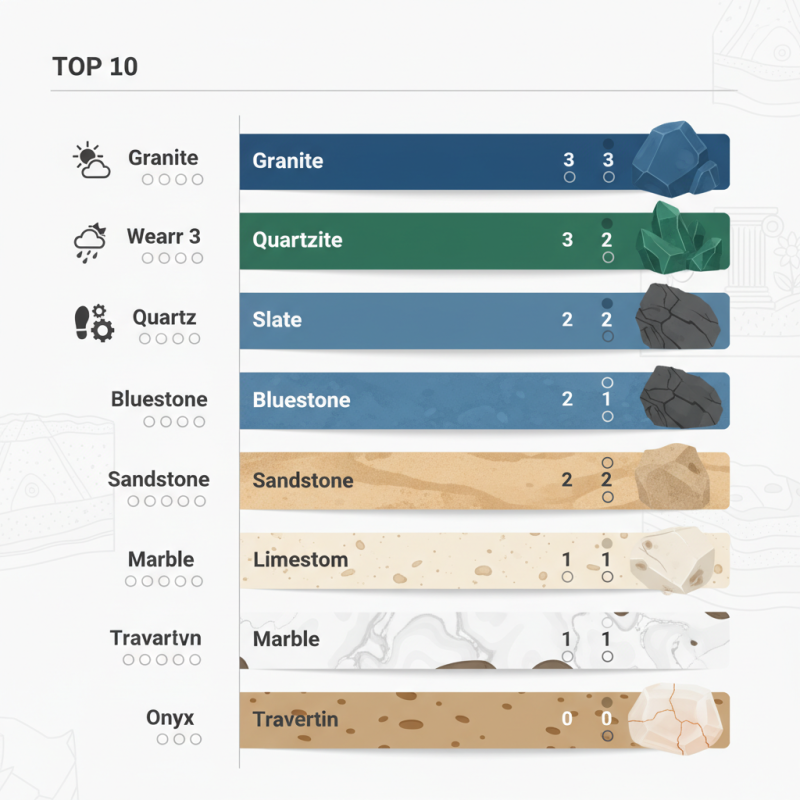
Understanding Stone Durability: Key Factors to Consider
When considering stone durability, several key factors come into play. The type of stone, its porosity, hardness, and resistance to weathering significantly impact its longevity. A report by the Natural Stone Institute indicates that granite is rated above 7 on the Mohs hardness scale, making it ideal for countertops and flooring. In contrast, softer stones like limestone have a rating of 3-4, which raises concerns about scratches and wear over time.
Environmental exposure also plays a crucial role. Stones such as marble and slate are prone to staining and fading when subjected to moisture or sunlight. A study by the Marble Institute highlights that untreated marble can deteriorate significantly within just five years in high-humidity areas. Using proper sealants can mitigate some risks, but they require regular maintenance to remain effective.
Additionally, aesthetic preferences often clash with durability choices. While some buyers prefer the unique veins of marble, they should be aware of the potential for cracking under heavy weight. Ultimately, understanding stone durability allows buyers to make informed choices, balancing beauty with functionality. This complexity highlights the need for ongoing education in stone selection.
Comparative Analysis of Popular Stone Types for Durability
When considering stone durability, it's crucial to analyze various types of stones found globally.
Granite emerges as a popular choice due to its high compressive strength, often exceeding 200 MPa.
It's favored for countertops and flooring. However, granite may not be as resistant to scratching as some buyers expect. A potential drawback is its weight.
Installation requires careful support, especially in large slabs.
Marble, known for its aesthetic appeal, is less durable. It scores lower on the Mohs scale, typically between 3 to 5.
For heavy-use areas, this softness can lead to scratches and etches. A significant study from the National Stone Institute
highlights that marble may need frequent maintenance in high-traffic environments.
Limestone, on the other hand, offers a balance. It has moderate compressive strength, usually around 70 to 100 MPa.
Its porous nature poses a challenge for staining. Yet, its natural beauty makes it a sought-after option for many architects.
Buyers should ponder the long-term implications of their stone choices, considering both aesthetic and functional durability in their decisions.
Testing Methods for Assessing Stone Durability
When evaluating the durability of stone for construction or design, various testing methods can guide buyers. These tests determine how well stone can withstand environmental factors, wear, and tear. Common methods include compressive strength testing, water absorption tests, and abrasion resistance tests. Each method provides insights into the stone's longevity and performance.
It’s essential to understand that no single test can provide a complete picture. Different stones react uniquely to various conditions. For instance, a stone that excels in compression strength might still suffer from high water absorption. Pay close attention to how these factors interact in real-world applications.
**Tips:** When assessing stone durability, consider the specific environment where the stone will be used. Hypothetical scenarios can reveal weaknesses. Evaluate stones in comparable situations to ensure you choose the right fit. Familiarize yourself with local conditions, as what thrives in one region may falter in another.
Evaluating Environmental Impact on Stone Longevity
The longevity of stone materials is influenced significantly by environmental factors. A recent report from the International Organization for Standardization (ISO) emphasizes that exposure to moisture, temperature fluctuations, and pollution can drastically reduce stone durability. For instance, porous stones absorb water, leading to freeze-thaw cycles that cause cracking. This effect is evidenced in regions with extreme climates, where up to 30% of stone structures face deterioration within two decades.
Moreover, studies indicate that stones sourced from environmentally stable areas demonstrate better longevity. The Geological Society found that stone types like granite and basalt, when quarried in less polluted environments, can last over a century. Yet, the extraction process itself poses risks. Ethical and sustainable quarrying practices are essential to ensure that stone production does not further harm ecosystems. It raises questions about the industry’s sustainability, as every stone's environmental footprint varies significantly based on its geographic origin.
In essence, understanding how these environmental aspects affect stone longevity is crucial. Buyers must consider these factors seriously. By making informed selections and advocating for responsible practices, they can contribute to a more sustainable future for the stone industry.
Top 10 Stone Durability Comparison Guide for Global Buyers
| Stone Type |
Durability Rating (1-10) |
Environmental Impact |
Maintenance Requirements |
Common Uses |
| Granite |
9 |
Low |
Low |
Countertops, Flooring |
| Marble |
7 |
Moderate |
Moderate |
Sculptures, Floors |
| Limestone |
5 |
High |
High |
Building Facades |
| Soapstone |
8 |
Low |
Low |
Countertops, Sinks |
| Quartzite |
9 |
Low |
Moderate |
Countertops, Flooring |
| Slate |
7 |
Medium |
Low |
Roofing, Flooring |
| Basalt |
8 |
Low |
Low |
Paving, Curbstones |
| Travertine |
6 |
High |
High |
Indoor and Outdoor Floors |
| Onyx |
4 |
High |
Moderate |
Decorative Surfaces |
| Gneiss |
8 |
Moderate |
Low |
Countertops, Flooring |
Choosing the Right Stone Based on Durability Ratings
When it comes to selecting stone materials, durability is a crucial factor. Different stones have varied resistance to wear, weather, and other environmental factors. Understanding the durability ratings of stones allows buyers to make informed choices that suit their needs. For example, granite is known for its toughness, while softer stones like limestone may wear down more quickly in busy areas.
Tips: Always check the stone's hardness rating. The Mohs scale is a great reference. Look for stones that score high on this scale for better durability. Also, consider the stone's porosity. Stones with lower porosity resist staining better.
Evaluating the environmental impact also matters. Some durable stones come from quarried areas with significant ecological footprints. Reflect on how this choice impacts sustainability. Moreover, your location's climate affects stone performance. A stone that thrives in humid areas may not be ideal for dry climates.
Tips: Consult with experts about local conditions and stone suitability. Don’t hesitate to seek samples before making a final decision. Being informed can guide you toward responsible selection practices.
FAQS
: Granite has high compressive strength, often exceeding 200 MPa, making it durable for countertops and flooring.
Yes, granite can scratch more easily than expected. Additionally, its heavy weight requires careful installation support.
Marble is visually appealing but less durable, scoring between 3 to 5 on the Mohs scale. It can scratch easily.
Marble may need frequent maintenance in high-traffic areas due to its softness, making scratches and etches more common.
Limestone has moderate compressive strength, usually around 70 to 100 MPa, and is valued for its natural beauty.
Its porous nature can lead to staining, which may impact its durability over time in certain environments.
Testing methods include compressive strength testing, water absorption tests, and abrasion resistance tests.
Each stone reacts differently to conditions, so multiple tests provide a more comprehensive understanding of durability.
Local environmental conditions can greatly affect a stone's performance. It’s essential to consider how a stone will fare regionally.
Buyers need to weigh aesthetic appeal against functional durability and long-term implications of their stone choices.
Conclusion
The "Stone Durability Comparison Guide" provides essential insights into the factors influencing the longevity of various stone types. It begins by highlighting the key aspects to consider when assessing stone durability, including density, porosity, and resistance to environmental factors. The guide then offers a comparative analysis of popular stone types, assessing their performance across different durability metrics.
Furthermore, the article discusses various testing methods used to evaluate stone durability, ensuring buyers can make informed decisions based on empirical data. It also examines how environmental conditions can affect stone longevity, helping stakeholders understand the implications of their choices. Finally, the guide aids in selecting the appropriate stone by providing durability ratings, ultimately equipping global buyers with the knowledge needed to choose the best material for their projects.

 Jieda Stone